The Lenape Indian Tribe of Delaware
The Lenape Indian Tribe of Delaware formed a constitutional Tribal Government in March, 2010. We are a member of the Confederation of Sovereign Nentego-Lenape Tribes, which is an intertribal union between our Tribe, the Nanticoke Tribe in Sussex County, DE, and the Nanticoke Lenni-Lenape Indian Tribe (headquartered in Bridgeton, New Jersey) with which we are historically and genealogically interrelated.
Our Tribal Constitution provides a structure for a Sovereign Tribal Government and is the acknowledged standard at the national level.
The Lenape Indian Tribe of Delaware was also granted State Designated Tribal Area status for the purpose of the Federal 2010 US Census.
Preserving
the Lenape Connection with the Land of Our Ancestors
HOW WE SURVIVED:
We have survived as a tribal community in the homeland of our ancestors by outwardly adopting the material culture and practices of our Euro-American neighbors. At the same time, we married within our own community and related communities in southern Delaware and southern New Jersey.
We also used the structure of our churches, families and schools to govern our community, outside the government structure of the wider society. Then in 1992 we organized as a formal tribal organization.
WHAT
WE DO:
Our
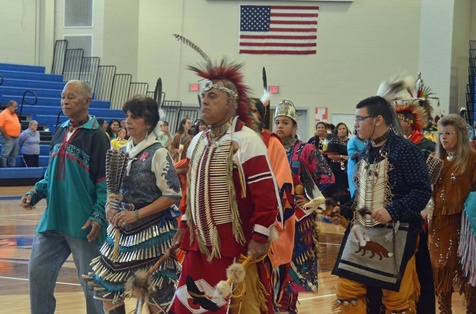
mission is to protect the cultural identity of the Lenape people of Delaware
through educational, social and cultural programs and to promote the physical
and economic health of our citizens through specialized health and economic
development programs tailored to our needs. We also advocate for the civil and
human rights of our community and our citizens.
WHO
WE ARE:
The
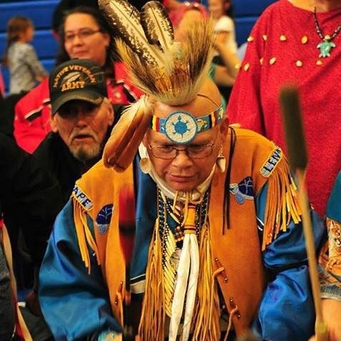
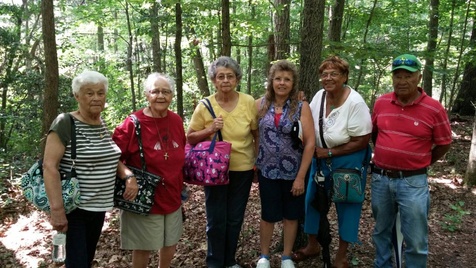
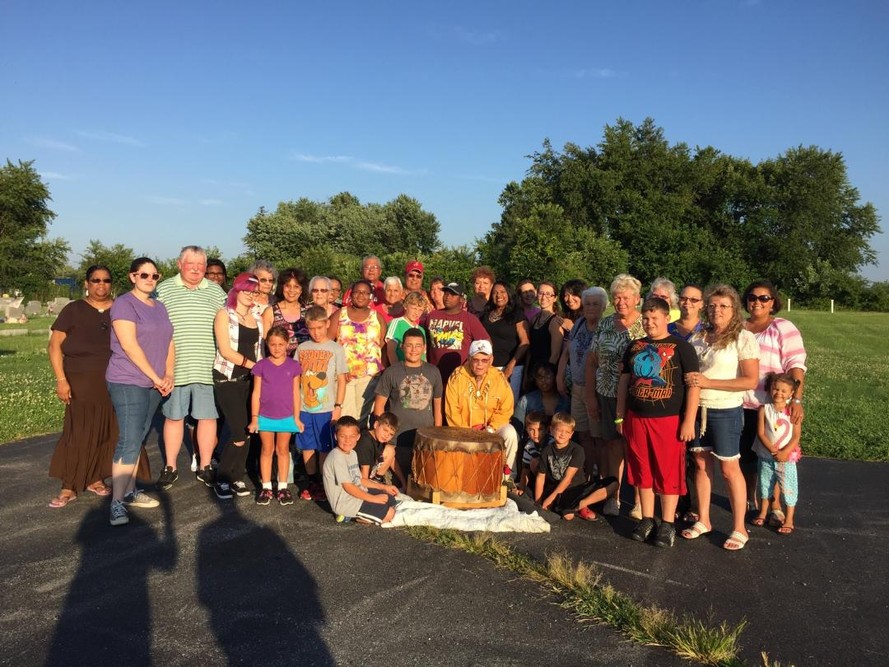
Lenape Indian Tribe of Delaware represents the citizens of a Lenape Tribal
Community concentrated in central Kent County, Delaware.
For
more than 100 years, the State of Delaware has recognized our distinct
identity, separate from Euro-American and African American neighbors.
Around
1700, we gathered here where we could "hide in plain sight" while our
cousins moved north into Pennsylvania, then west into Ohio and Indiana. From
there, some of our relatives moved north into Canada after the Revolution,
while others moved further west, finally settling in Oklahoma.